What’s the Difference Between a Parent Compound and a Metabolite?
If you’ve ever wondered how hair testing can tell the difference between someone who used drugs and someone who was just around them, the answer lies in a key distinction:
 Parent compounds vs Metabolites
Understanding this difference is crucial — especially in legal, workplace, or child protection settings — because it helps ensure that results are accurate, fair, and defensible.
Parent Compound
This is the original drug that was taken.
Example: If someone uses cocaine, the parent compound is cocaine.
Important: Parent compounds can sometimes stick to the outside of hair from handling or being near drug use — even if the person didn’t use it.
Metabolite
A metabolite is what your body makes after it breaks the drug down internally.
It only forms if the drug was ingested or injected, not from surface exposure.
Example: The body converts cocaine into benzoylecgonine, a metabolite.
Metabolites don’t exist outside the body.
So if a metabolite is found in your hair, it’s strong evidence the drug was actually used.
Why This Matters in Hair Testing
Reputable labs — including ours — test for both the parent drug and its metabolites. This dual-check approach help
| Reason | Benefit |
|---|
| Metabolites confirm ingestion | Rules out surface contamination |
| Stronger legal reliability | Favoured in courts and workplace settings |
| Science-backed standards | Aligns with SoHT and NATA/ISO accreditation |
Common Street Drugs & Their Metabolites
Here are examples of the parent drug and metabolite(s) that labs typically test for:
| Drug Taken | Parent Compound | Metabolite(s) Detected |
|---|
| Cocaine | Cocaine | Benzoylecgonine, Norcocaine, Cocaethylene |
| Heroin | Heroin | 6-MAM, Morphine |
| Codeine | Codeine | Morphine ( absence of 6-MAM) |
| Amphetamines | Amphetamine | No major metabolite — parent compound used |
| Methamphetamine | Methamphetamine | Amphetamine |
| MDMA (Ecstasy) | MDMA | MDA |
| THC (Cannabis) | THC / THC-COOH | THC-COOH (11-nor-9-carboxy-THC) |
| Alcohol | — | EtG (Ethyl Glucuronide) |
| Steroids | Testosterone, Nandrolone | Various esters/metabolites |
Real-World Examples:
Interpreting Cocaine use
| Substances Detected in Hair | Likely Interpretation |
|---|
| Cocaine only | Possible external contamination |
| Cocaine + Benzoylecgonine | Confirmed use — drug was ingested |
| Nothing detected | Negative result |
Interpreting Morphine and 6-MAM Results in Drug Testing
| Substances Detected in Hair | Likely Interpretation | Notes |
|---|
| 6-MAM + Morphine | Heroin use confirmed | 6-MAM is a unique metabolite of heroin and only appears if heroin was used. |
| Morphine only (no 6-MAM) | Possible use of codeine or prescribed morphine | Morphine can result from codeine metabolism or direct morphine use. |
| Codeine + Morphine (no 6-MAM) | Likely codeine use | Codeine is partially converted to morphine in the body. |
| No morphine, no 6-MAM | Negative for heroin and morphine use | No opiate use detected (or below detection limits). |
💡 Note: Detection thresholds and interpretation should always be based on accredited lab reports and clinical context.
How Our Lab Ensures Accuracy
We only use an Australian NATA-accredited laboratory that follow ISO/IEC 17025 standards and the guidelines set by the Society of Hair Testing (SoHT). These labs:
Use LC-MS/MS technology to precisely detect both parent and metabolite compounds
Require both substances to be above set cut-off levels before reporting a positive
Help ensure that your result is fair, defensible, and scientifically valid
Why Cut-Offs Still Matter
A “positive” is only reported if the detected levels exceed laboratory cut-off thresholds. These thresholds help avoid:
False positives from passive exposure
Over-reporting from ultra-sensitive tests
Legal challenges to unreliable results
For example, our lab uses a cut-off of 20 pg/mg for benzoylecgonine (cocaine metabolite). This helps us detect actual use, while keeping results fair.
Bottom Line
Parent drug = may come from use or contamination
Metabolite = clear proof of actual drug use
Hair testing that includes both is more accurate and legally defensible
If you’re undergoing hair drug or alcohol testing, you can feel confident that a positive result means the substance was actually used — not just touched or inhaled in passing.

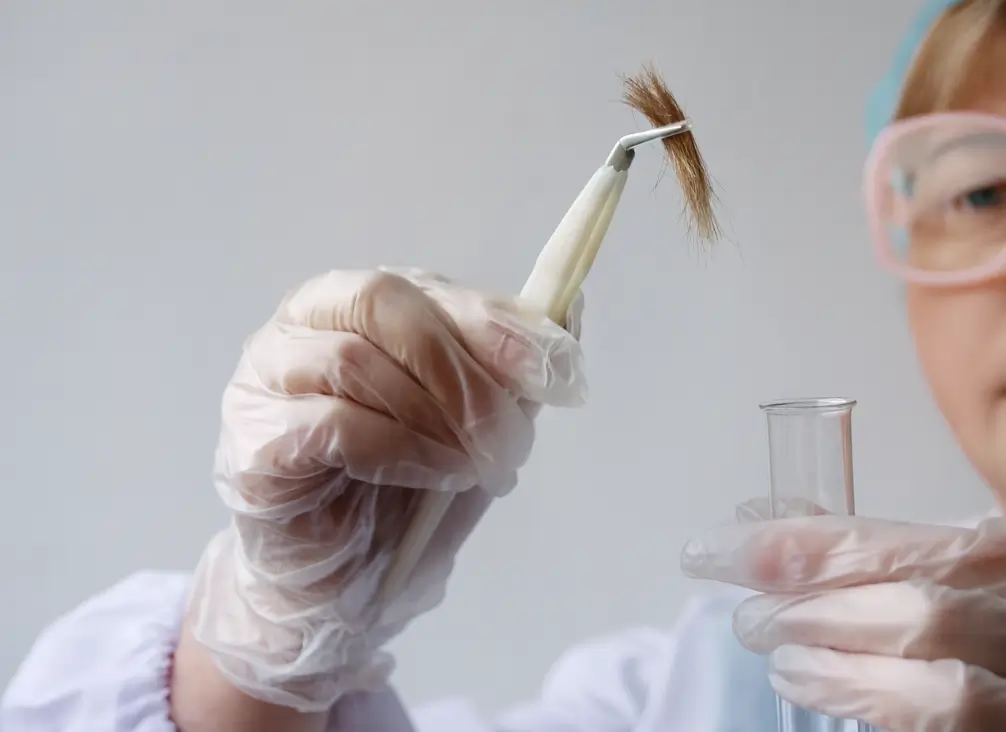
 Parent compounds vs Metabolites