
Why False Positives for Methamphetamine Can Occur During Urine Immunoassay Screens
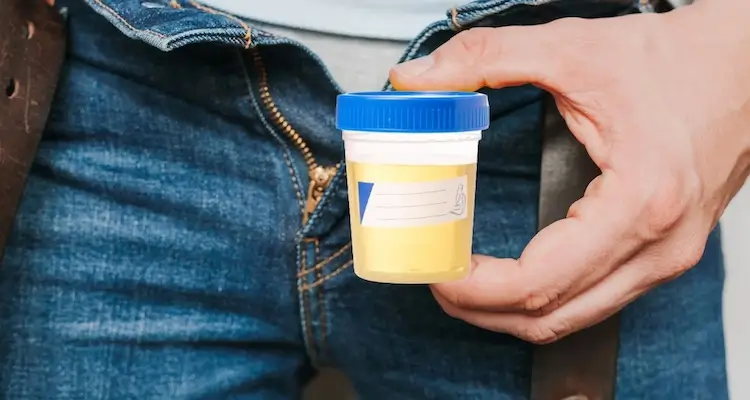
False positives for methamphetamine on initial urine immunoassay screens are well documented. These quick “drug screens” are presumptive tests, not definitive. They use antibodies to detect chemical structures similar to methamphetamine, which means certain prescription and over-the-counter medications can trigger a positive result even if the person has not taken methamphetamine.
Common medications that may cause a false positive:
- Some beta blockers (e.g., labetalol)
- Certain antidepressants (e.g., bupropion, trazodone)
- Decongestants (pseudoephedrine, phenylephrine)
- Some antibiotics (e.g., ranitidine — less relevant now as it is largely withdrawn)
- Selegiline (Parkinson’s medication — metabolises into l-methamphetamine)

How the Presence of Methylamphetamine &/Or Amphetamine Is Interpreted
A positive urine screen for methamphetamine is presumptive, not diagnostic — it’s not a final answer. These quick screens can sometimes return a positive result even when the person has not taken methamphetamine.
Given the patient’s presentation, history, and medication profile, the result should be confirmed by testing a hair sample using GC–MS (Gas Chromatography–Mass Spectrometry). In hair testing, GC–MS is the gold-standard method in forensic toxicology. It can identify the exact chemical compounds present and distinguish between methamphetamine and similar substances that may come from prescription medicines. This step is essential before making any conclusions.
How the Presence of Methylamphetamine and Amphetamine Is Interpreted using GC-MS
Methylamphetamine found by itself (no amphetamine detected)
→ Most likely from methylamphetamine use; however, the possibility of environmental contamination in some cases cannot be excluded.Amphetamine found by itself (no methylamphetamine detected)
→ Most likely from dexamphetamine use. This could be legal prescribed medication or illegal use. Note: Dexamphetamine and amphetamine are essentially the same thing — just two names for the same substance.Methylamphetamine AND amphetamine found together
→ Amphetamine is usually a by-product of methylamphetamine use. However, it is not always possible to determine whether some of the amphetamine is also from dexamphetamine use.
Expert Interpretation Matters
If you have been falsely accused or need clarity about your results, booking a consultation with our forensic toxicologist, Dr Michael Robertson, can provide pivotal insight. His expertise ensures your results are interpreted in the proper context and presented accurately for legal, workplace, or medical purposes.
For a deeper dive into interpreting methylamphetamine and amphetamine results — including how metabolites work and what truly confirms illicit use — see: Methylamphetamine & Amphetamine in Hair Drug Testing

Need professional interpretation of your drug results?
Our forensic toxicologist can review your report and provide an independent, expert opinion.
Have Questions About Hair Drug or Alcohol Testing?
Clear answers, accurate results, expert guidance.
Memberships & Accreditations