Understanding False Positives in Saliva Drug Screening: What Everyone Should Know
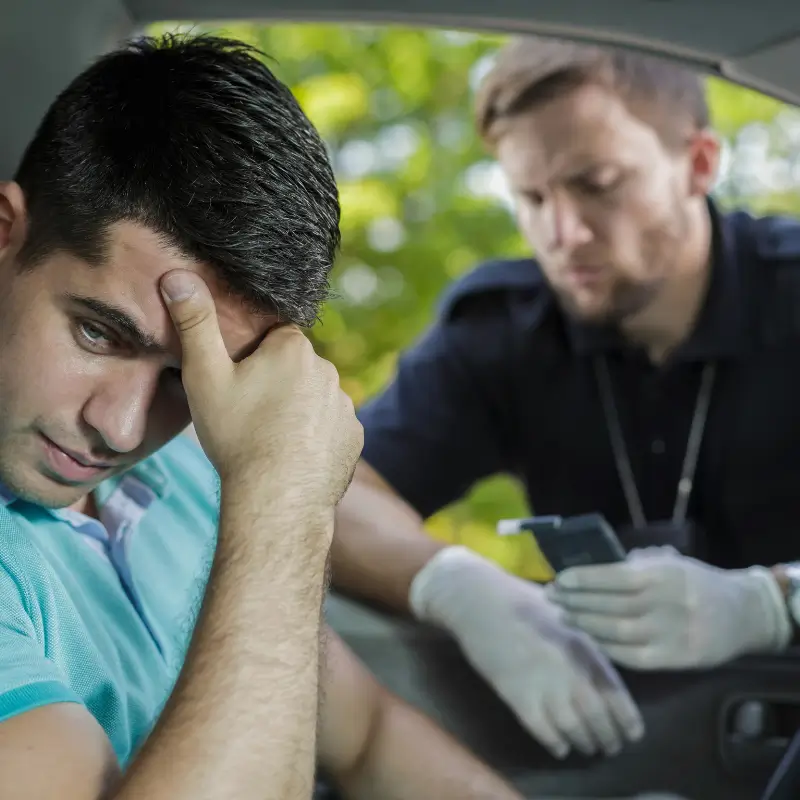
Saliva roadside drug testing is an important tool used by Victoria Police to keep roads safe by detecting recent use of illicit drugs such as cannabis, methamphetamine, and MDMA.
While these tests are generally reliable, they can sometimes produce false positives—results that indicate drug use when no illicit drug has actually been consumed.
Saliva tests are highly sensitive to recent drug exposure, but the mouth can also retain harmless compounds that aren’t psychoactive. This can occasionally trigger false readings. The initial roadside test is designed to quickly flag any possible presence of a drug, not to confirm its exact identity—so these early results are more prone to false positives.
A common cause is cross-reactivity. This occurs when active ingredients in prescription medications, or their metabolites, are chemically similar to the illicit drugs the test is targeting. The test’s antibodies can mistake these look-alike molecules for the real thing. Medications that have been linked to this effect include certain antidepressants, decongestants, codeine-based painkillers, and some antibiotics.
Fortunately, Victoria’s testing process includes a mandatory laboratory confirmation step. These lab tests are far more precise and can eliminate almost all false positives before any penalties or legal action are taken.

Why Do False Positives Happen?
False positives commonly arise because the testing devices rely on antibody reactions designed to detect specific drug molecules. However, some prescription medications and even certain non-illicit substances can chemically resemble these drugs or their metabolites, tricking the test into signaling a positive result.
Here are the key factors:
1. Most Common Prescription Drugs That Cause False Positives
Many legally prescribed and over-the-counter medicines can resemble illicit drug molecules closely enough to confuse roadside saliva drug tests. This happens because the antibodies in these tests bind to molecules with a similar chemical structure to the targeted drug or its metabolites.
Below are common examples, grouped by type:
Antidepressants
Bupropion (Wellbutrin) – May cause false positives for amphetamines or methamphetamines.
Trazodone (Desyrel) – Can lead to positive screens for amphetamines or methamphetamines.
Sertraline (Zoloft) – At higher doses, can falsely trigger benzodiazepine or LSD detection.
Fluoxetine (Prozac) – Occasionally linked to false positives for amphetamines.
Venlafaxine (Effexor) – Known to produce false positives for PCP.
Cold and Allergy Medications (Decongestants)
Pseudoephedrine & Ephedrine – Common in cold/flu medicines, can mimic amphetamines.
Phenylephrine – Another nasal decongestant that may appear as amphetamines.
Pain and Anti-inflammatory Medicines
Ibuprofen & Naproxen – May sometimes trigger positives for cannabinoids (THC), barbiturates, or benzodiazepines.
Codeine – As an opiate, it can appear as morphine or generic opioids (expected if prescribed).
Gastrointestinal Medicines
Pantoprazole (Protonix) – A proton pump inhibitor that can sometimes cause THC positives.
Antipsychotics and Other Psychiatric Medicines
Quetiapine (Seroquel) – Can cross-react with methadone or tricyclic antidepressant tests.
Risperidone – Linked to false positives for LSD.
Chlorpromazine & Thioridazine – May cause positives for amphetamines, methadone, or PCP.
Aripiprazole – Reported cases of amphetamine false positives.
Sleep Aids & Antihistamines
Diphenhydramine (Benadryl) – Can sometimes cross-react in tests.
Doxylamine (Unisom) – May produce false positives for methadone, opiates, PCP, or tricyclic antidepressants.
Stimulant Medicines (ADHD & Narcolepsy Treatments)
Dexamphetamine – Prescribed for ADHD/narcolepsy; can produce a false positive for methylamphetamine on some immunoassay police screening devices.
Lisdexamfetamine (Vyvanse) – A prodrug converted to dexamphetamine in the body; can also produce a false positive for methylamphetamine on initial saliva screening tests.
- Antibiotics
Quinolone antibiotics (e.g., levofloxacin, ofloxacin) – Can mimic opiates such as methadone or PCP in saliva screening tests. The chance of a false positive rises with dosage; for every 100 mg increase in dose, the likelihood of a false positive may increase by around 40%.
Other Medicines
Labetalol – A blood pressure medicine linked to amphetamine false positives.
Promethazine – An anti-nausea/antihistamine that can cross-react with amphetamine tests.
Key Takeaways
Some of the most common culprits include bupropion, trazodone, pseudoephedrine, ibuprofen, pantoprazole, and quetiapine.
Even over-the-counter products or certain foods (such as hemp-based supplements or poppy seeds) can trigger false positives.
A laboratory confirmation test following an initial roadside positive greatly reduces the risk of a prescription-related false positive leading to penalties.
Always tell the testing officer about any prescription or over-the-counter medications you’ve taken recently to help ensure results are interpreted correctly.
2. Metabolite Effects
The body breaks medications down into metabolites, some of which may mimic illicit drug fragments and trigger the test. For example, bupropion’s metabolite threo-hydroxybupropion is a key culprit causing false positives for amphetamines.
3. Dose-Dependent and Test-Specific Variability
The likelihood of a false positive can increase with higher doses of certain medications, especially quetiapine. Also, different saliva drug test brands vary in their sensitivity and specificity, so some are more prone to false positives with certain medications.
4. Test Reliability Issues in Australia
Australian studies have shown that common saliva drug-testing devices can produce false positives, with some reporting rates as high as 5–10%. False negatives are also a concern.
These roadside devices are designed as a quick screening tool, not a final verdict—so inaccuracies are more likely at this stage.
5. Other Causes
Passive exposure to cannabis smoke, consumption of hemp-containing foods, or procedural errors can also cause false positives, although these are less common.
What Does This Mean for Drivers?
A positive roadside saliva test is only the starting point. In Victoria, police follow up with a second confirmatory saliva test and then send samples to highly accurate laboratories for final verification.
To minimise the risk of wrongful penalties, Australian law enforcement uses a three-step process:
Initial roadside swab – fast, preliminary detection
Secondary confirmatory test – usually conducted in a mobile testing unit
Laboratory analysis if required – the definitive result
This layered system ensures that an initial false positive does not automatically lead to a conviction. In fact, lab confirmation reduces the risk of a false positive resulting in legal penalties to almost zero—only confirmed positives proceed to legal action.
For the most accurate assessment, drivers should always inform testing officers about any prescription or over-the-counter medicines they’ve taken. This information helps interpret results correctly and avoids misidentification.
Knowing that many common, legally prescribed medications can trigger false positives can ease unnecessary stress and promote fair, transparent testing for all road users.

Wrongly Accused? Get the Science on Your Side
If you’ve been hit with a false positive, you want someone who truly understands the system. Dr Michael Robertson was instrumental in creating Australia’s roadside drug testing program, so who better to have in your corner?
As an independent forensic toxicology consultant, Dr Robertson can pinpoint exactly why a false positive was triggered and provide clear, authoritative evidence to challenge it. His decades of experience mean you’ll get the best possible presentation of the science—whether in court, workplace disputes, or licence appeals.
Book a confidential consultation today and take the first step towards setting the record straight.
Have Questions About Hair Drug OR Alcohol Testing?
Clear answers, accurate results, expert guidance.
Memberships & Accreditations