
Do Short Bursts of Use Raise Hair Drug or Alcohol Test Levels?
Short answer: yes — a brief period of heavier use (e.g. two weeks) followed by occasional use in the following month can produce a hair result that looks similar to the earlier higher level when the hair from those periods is included in the analysed segment. But whether it appears as “high” depends on the sample length, whether the lab averages segments, and biological & cosmetic factors.

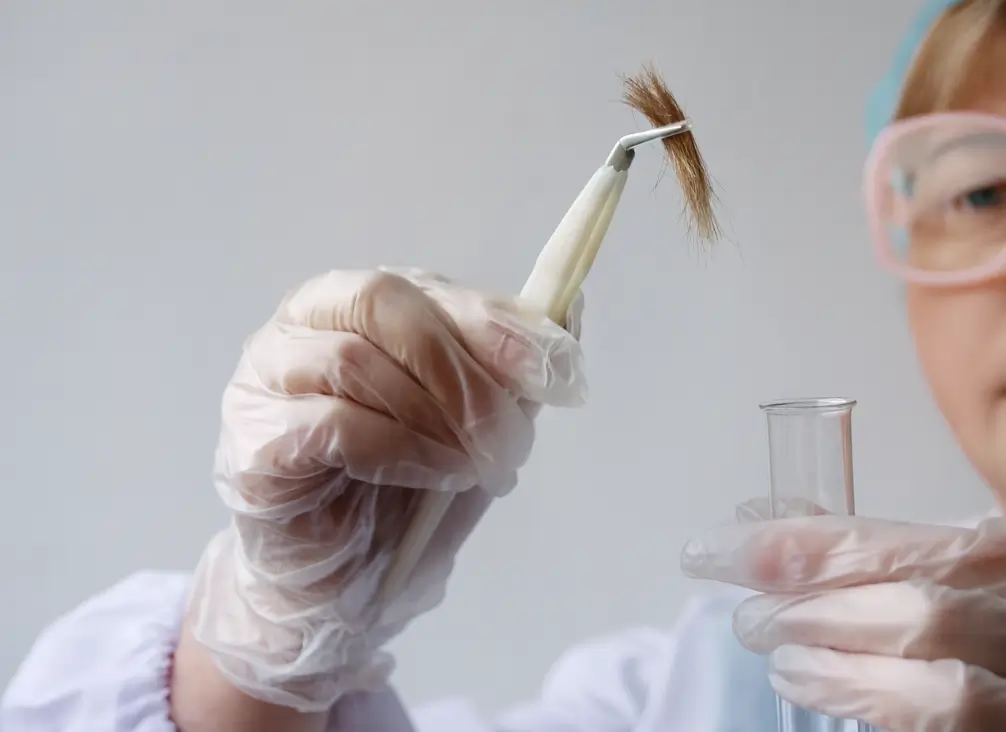
How hair testing reflects patterns of use
Hair incorporates drug molecules (or alcohol markers) from the bloodstream as the hair shaft is formed in the follicle. That means hair records a history of exposure while that portion of hair was growing.
Hair grows roughly ~1 cm per month (individual variation exists). Labs commonly analyse the proximal 3 cm (≈ last 3 months).
If someone used heavily for 2 weeks (that growth window), then used only occasionally the next month, the 3-cm sample that includes both periods will contain a band of hair formed during the heavy use that carries higher concentrations. If the lab reports the whole 3-cm as one result (many labs do), that elevated band will contribute to the overall concentration and can make the result look “high” — sometimes similar to a prior period of heavy use.
If the lab performs segmental testing (e.g. 0–1 cm, 1–2 cm, 2–3 cm), you can see the heavy-use period separated from later lower-use periods. Segmental testing gives better time-resolution but is less commonly requested/standard and sometimes more expensive.
Important caveats that affect “levels”
Amount and frequency matter: repeated heavy dosing produces much higher incorporation than a single small exposure. Two weeks of repeated use is substantial compared with a few occasional uses.
Type of test/analyte: different markers are used for different substances (ie parent drug vs metabolite). Each behaves differently in hair.
Hair characteristics & treatment: pigmentation, hair colour, cosmetic treatments (bleaching, dyeing, straightening) can change concentrations — sometimes lowering them.
External contamination: some drugs can contaminate hair externally; accredited labs use washing protocols and metabolite markers to reduce false positives.


Practical guidance (useful wording for reports or patient explanations)
Hair tests show a history of exposure over several months. If someone uses more heavily for just two weeks, that period of hair growth can hold a higher concentration. Even if use drops off afterwards, the lab result can still look high because that concentrated section is included in the overall 3-cm sample. If the lab breaks the hair into monthly segments, it can show which month had heavier use and which had lighter use.
For medico-legal / court context: “In this case, the hair sample was analysed as a single length rather than broken into separate monthly segments. This means the reported value represents an average across the full length of hair tested. A short period of heavier use within that timeframe can elevate the overall result, even if subsequent use was only occasional. Without segmental analysis, it is not possible to determine precisely when the heavier use occurred.”
Need professional interpretation of your ALCOHOL results?
Our forensic toxicologist can review your report and provide an independent, expert opinion.

Have Questions About Hair Drug or Alcohol Testing?
Clear answers, accurate results, expert guidance.
Memberships & Accreditations