
Hair Drug & Alcohol Testing for Child Custody and Family Law in Australia
When the safety and wellbeing of your children is at the centre of a family law matter, having clear, reliable evidence can make all the difference. Hair drug and alcohol testing is one of the most accurate and court-admissible tools available to Australian families navigating custody disputes — and it’s one of the most commonly requested services we provide at Hair Testing Analysis.
We understand this is an emotionally difficult time. Whether you are concerned about a co-parent’s substance use, have been asked to undergo testing yourself, or have been directed by a court or family lawyer, we are here to support you through the process with compassion, discretion, and forensic precision.
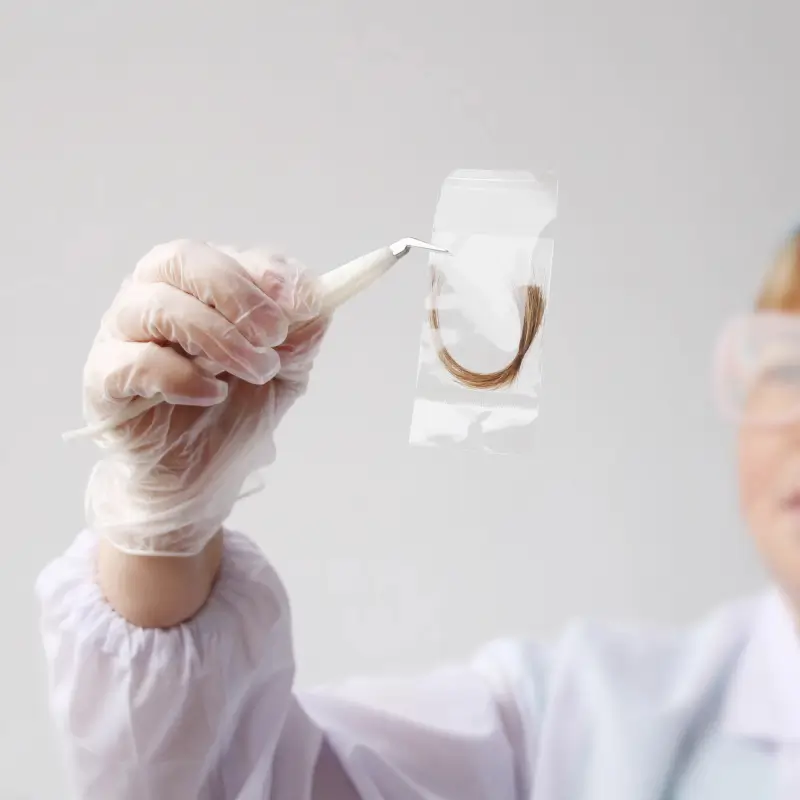
Why Hair Testing Is Used in Family Law Cases
Family courts in Australia take the safety of children extremely seriously. When allegations of drug or alcohol use arise during custody or parenting disputes, the court may request — or one party may seek — independent forensic evidence to support or refute those claims.
Hair drug and alcohol testing is uniquely suited to family law matters for several reasons:
It covers an extended period of time. A 3 cm sample of head hair reflects approximately three months of substance use history. This means a single test can reveal whether someone has been using drugs or alcohol consistently over a sustained period — not just in the days before the test.
It is extremely difficult to cheat. Unlike urine or saliva tests, which can be manipulated through short-term abstinence or sample substitution, hair testing captures substance use at the hair matrix level. Metabolites become embedded in the hair shaft as it grows and cannot be washed out or disguised.
It is court-admissible. All testing at Hair Testing Analysis is performed through HASTA, a NATA-accredited forensic laboratory (ISO/IEC 17025). Our results are produced using gold-standard mass spectrometry and follow a strict chain of custody protocol, making them suitable for use as evidence in Australian family law proceedings.
It is non-invasive and quick. The collection process takes just 15 to 20 minutes and involves a small, discreet cut of hair from the crown of the head — no needles, no blood, no discomfort.
What Can Hair Testing Detect?
Our standard testing panel screens for over 95 drugs and their metabolites in a single analysis, including:
- Methamphetamine and amphetamines
- Cannabis (THC)
- Cocaine and its metabolites
- MDMA (ecstasy)
- Opioids including heroin, morphine, codeine, and oxycodone
- Benzodiazepines
- Ketamine
- And many more
We also offer dedicated alcohol testing, which measures ethyl glucuronide (EtG) — a direct metabolite of alcohol — to assess whether someone has been drinking excessively over the past three to six months. Steroid testing covering over 42 substances is also available.
For a full list of substances tested click the button below

Who Can Request a Hair Drug Test?
You can request a test yourself. If you want to proactively demonstrate your own sobriety to the court or to your legal team, you can book an appointment directly without a referral.
Your family lawyer can request testing. Solicitors and family lawyers regularly refer clients to us for testing as part of building or responding to a case.
The court can order testing. In some family law matters, the Federal Circuit and Family Court of Australia may direct one or both parties to undergo drug and alcohol testing as a condition of proceedings.
In all cases, the person being tested must provide valid photo ID and give their consent at the time of collection. We do not accept anonymous samples or samples collected without the hair donor’s knowledge.
How the Process Works — Step by Step
Step 1 — Book Your Appointment
Call us on (03) 9380 5434 or book online. Same-day appointments are available at our Brunswick West, Melbourne clinic. Remote collection kits can be arranged for interstate clients via your GP.
Step 2 — Attend Your Appointment
Bring a valid government-issued photo ID (driver's licence or passport). Allow 15 to 20 minutes for the full process.
Step 3 — Hair Collection
A small sample of approximately 120 strands is carefully trimmed from the crown of your head. The process is discreet, non-invasive, and takes only a few minutes.
Step 4 — Chain Of Custody Documentation
Your sample is sealed in tamper-evident packaging, signed by both you and the collector, and assigned a unique identifier. A custody and control form is completed on the spot.
Step 5 — Payment
Laboratory testing begins upon receipt of full payment. Payment can be made at the clinic or online when attending or ordering your test.
Step 6 — Laboratory Analysis
Your sealed sample is delivered to HASTA, a NATA-accredited forensic laboratory, where it is analysed using high-resolution mass spectrometry.
Step 7 — Results
You will receive your results by email within 5 to 7 business days. Results are confidential and will not be shared with any third party without your written consent, unless required by law.
Step 8 — Expert Interpretation (Recommended for Court)
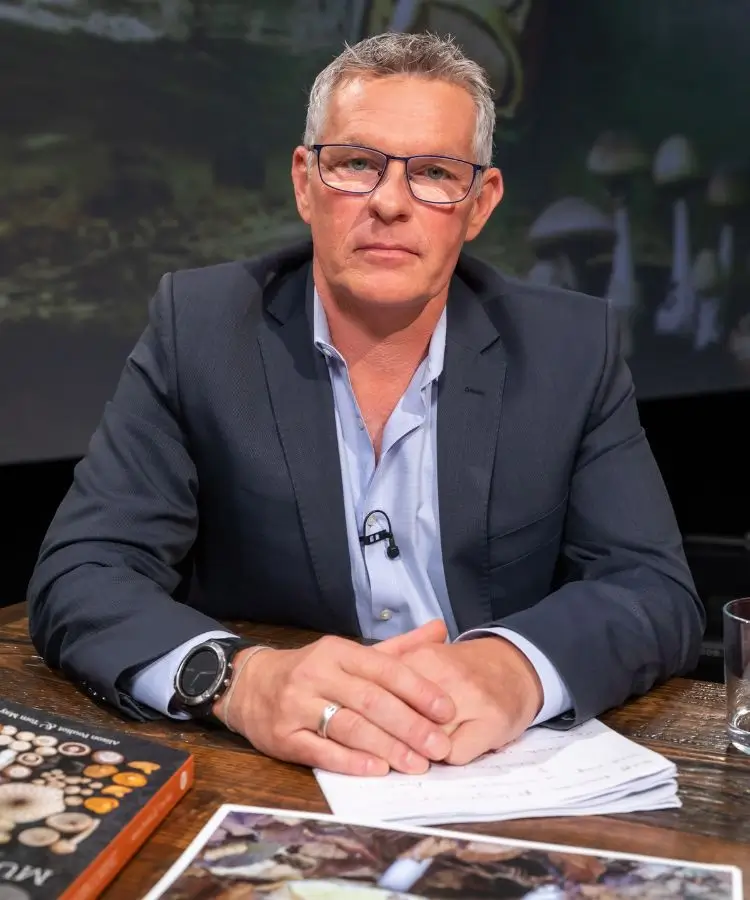
For family law matters, we strongly recommend engaging our forensic toxicologist Dr Michael Robertson to provide a detailed written medico-legal interpretation report. This contextualises your results for the court and carries an additional fee.
What If You Test Positive?
A positive result does not automatically determine the outcome of your case. Hair drug testing measures the presence and concentration of substances in hair, but the interpretation of those results in a legal context is a matter for forensic experts and the court.
If you receive a positive result, we strongly recommend seeking expert interpretation through Dr Michael Robertson. His forensic reports are designed to withstand judicial scrutiny and can provide essential context around factors such as the level of use detected, the likely pattern of consumption, and whether prescribed medications may have contributed to the result.
What If You Are Falsely Accused?
If you believe you have been wrongly accused of drug or alcohol use, a hair test can be one of the most powerful tools available to you. Because hair testing covers a three to six month window, a negative result provides strong evidence of sustained sobriety — far more convincing than a single urine or saliva test covering only a few days.
We have helped many clients in exactly this situation. If you would like to discuss your circumstances before booking, please call us on (03) 9380 5434 or send us an email. All enquiries are treated with complete confidentiality.
Hair Drug Testing & Family Law — Your Questions Answered
Is hair drug testing admissible in the Federal Circuit and Family Court of Australia?
Our testing is performed through a NATA-accredited laboratory using mass spectrometry and a documented chain of custody. These are the standards required for results to be considered legally defensible in Australian court proceedings. We also offer expert forensic interpretation reports and court testimony through Dr Michael Robertson.
Can I request that my co-parent be tested?
You cannot force another person to undergo testing without their consent or a court order. However, your family lawyer can apply to the court to request that testing be ordered as part of the proceedings. If the other party refuses a court-ordered test, the court may draw its own conclusions from that refusal.
How far back does a hair drug test go?
A standard 3 cm head hair sample reflects approximately three months of substance use history. A 6 cm sample extends this to approximately six months. These timelines are based on an average head hair growth rate of around 1 cm per month, though individual growth rates vary between 0.7 cm and 1.5 cm per month, so timelines are estimates rather than precise dates.
How soon after drug use can hair testing detect substances?
Substances generally become detectable in head hair approximately 8 to 14 days after ingestion — the time it takes for newly formed hair containing the substance to grow above the scalp surface. This figure varies between individuals due to differences in hair growth rates.
What if the person being tested has very short or no head hair?
If head hair is unavailable or too short, body hair can be used as an alternative. Suitable body hair includes underarm, beard, chest, arm, leg and pubic hair. Body hair timelines are less precise than head hair due to higher proportions of dormant follicles, so head hair is always preferred — particularly for legal matters.
Can hair testing distinguish between prescribed medication and illicit drug use?
In many cases, yes. Our laboratory can often differentiate between substances that share metabolites. For example, methylamphetamine and dexamphetamine produce overlapping results, but forensic interpretation can provide context. Prescribed medications should always be declared on the chain of custody form at the time of collection. Where the distinction is important for your case, expert interpretation by Dr Michael Robertson is strongly recommended.
Can bleaching or dyeing hair affect the results?
Chemical treatments such as bleaching or dyeing can reduce drug concentrations in hair to some degree, but they cannot reliably remove substances entirely. Our laboratory uses highly sensitive mass spectrometry with detection thresholds as low as 1 picogram per milligram, and forensic analysts are trained to identify and account for chemically treated hair samples. Attempts to manipulate results through hair treatment are unlikely to succeed and may themselves raise questions in court.
How much does hair drug testing cost for family law matters?
Testing fees depend on the specific panel required (drugs, alcohol, steroids, or a combination). Expert interpretation reports and court testimony carry additional fees. For a full breakdown of our pricing, visit our Fees page.
Can I get results quickly if my court date is soon?
Standard results are returned within 5 to 7 business days. An expedited testing service is available for an additional fee, where your sample is prioritised at the laboratory on the day of collection. Expedited testing is not available after 5 pm on weekdays, or on weekends and public holidays. We strongly recommend booking as early as possible if you have an upcoming court date.
Is the process confidential?
Yes. All appointments, results, and communications are treated with strict confidentiality. Your results will not be shared with any third party — including the other party in your legal matter — without your explicit written consent, unless required by a court order or law.
Can I attend the clinic without my lawyer knowing?
Yes. You are welcome to book and attend an appointment independently. Many clients choose to undertake testing proactively before consulting their lawyer, so they can present results as part of their initial case strategy.
What is the difference between a standard result report and a forensic interpretation report?
A standard result report lists all substances detected and their concentrations in picograms per milligram. It confirms presence or absence against reporting thresholds but does not offer any legal interpretation. A forensic interpretation report, prepared by Dr Michael Robertson, goes further — contextualising the results in terms of likely usage patterns, frequency, dosage, and their significance in a legal setting. For family court matters, the interpretation report prepared by Dr Roberstson is strongly recommended.
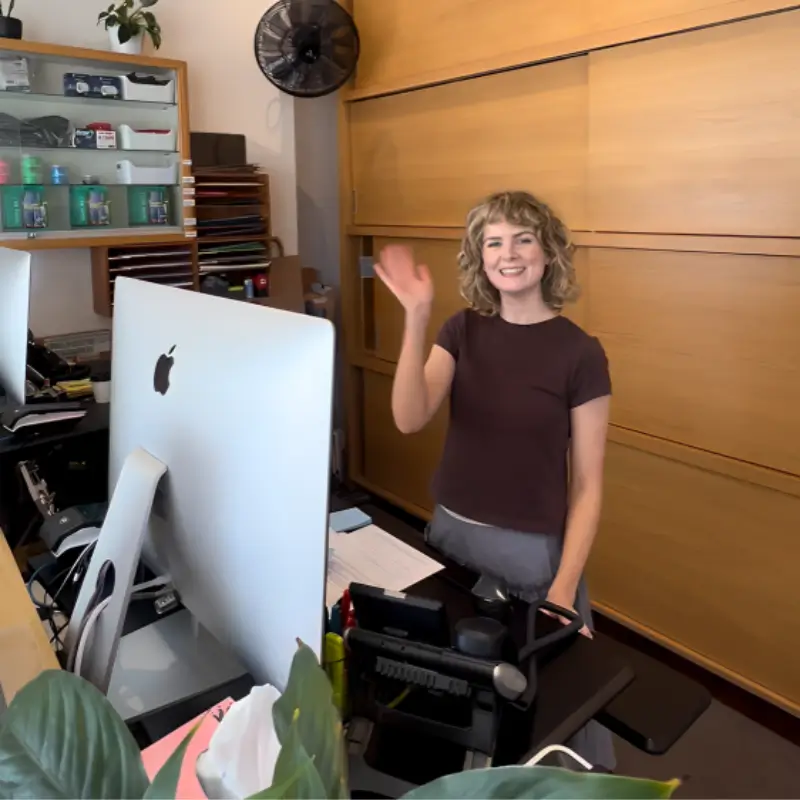
Ready to Book?
Taking the first step can feel daunting, but our team is here to make the process as straightforward and stress-free as possible. We treat every client with respect, empathy, and complete confidentiality — no judgement, no pressure.
Same-day appointments available. Results within 5 to 7 business days. Court-admissible. NATA-accredited. Australia-wide.
Call: (03) 9380 5434 or Book online
Have MORE Questions About Hair Drug or Alcohol Testing?
Clear answers, accurate results, expert guidance.