Does Vyvanse Show Up on a Roadside Drug Test? False Positives Explained
Why roadside saliva tests return false positives, the prescription medicines implicated including Vyvanse, and what Victoria's confirmation process means.
Last updated
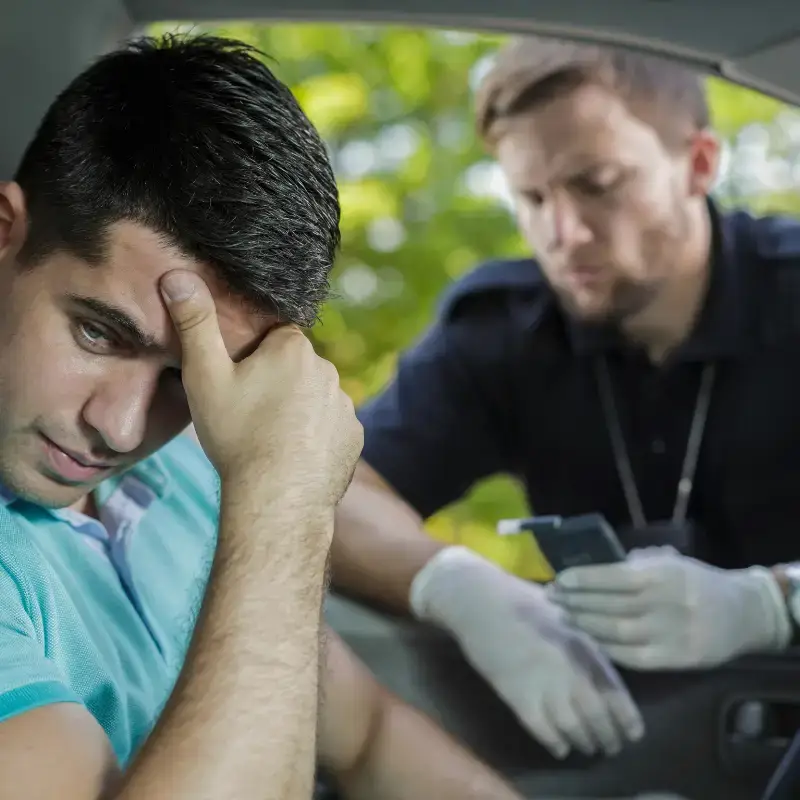
A positive roadside swab is a starting point, not a conclusion. Victoria requires laboratory confirmation before any penalty, and that step removes almost all false positives.
That is worth knowing before the panic sets in, because a range of ordinary prescription medicines can set one of these devices off.
Why false positives happen
These devices rely on antibody reactions designed to bind to specific drug molecules. Some prescription medicines, and some substances that are not drugs at all, resemble those molecules closely enough to produce a signal. This is called cross-reactivity.
Saliva tests are highly sensitive to recent exposure, and the mouth also retains harmless compounds. The roadside test is designed to flag a possible presence quickly, not to confirm identity, which is exactly why early results are the ones most prone to error. Urine immunoassay screens have the same weakness, for the same reason.
Medications commonly implicated
Nine categories, and none of them exotic.
Antidepressants
- Bupropion (Wellbutrin), amphetamines or methamphetamines
- Trazodone (Desyrel), amphetamines or methamphetamines
- Sertraline (Zoloft), benzodiazepines or LSD, at higher doses
- Fluoxetine (Prozac), amphetamines, occasionally
- Venlafaxine (Effexor), PCP
Cold and allergy medicines
- Pseudoephedrine and ephedrine, amphetamines
- Phenylephrine, amphetamines
Pain and anti-inflammatories
- Ibuprofen and naproxen, cannabinoids (THC), barbiturates or benzodiazepines
- Codeine, morphine or generic opioids (expected if prescribed)
Gastrointestinal medicines
- Pantoprazole (Protonix), THC
Antipsychotics and psychiatric medicines
- Quetiapine (Seroquel), methadone or tricyclic antidepressants
- Risperidone, LSD
- Chlorpromazine and thioridazine, amphetamines, methadone or PCP
- Aripiprazole, amphetamines
Sleep aids and antihistamines
- Diphenhydramine (Benadryl), various
- Doxylamine (Unisom), methadone, opiates, PCP or tricyclics
ADHD and narcolepsy stimulants
- Dexamphetamine, methylamphetamine, on some immunoassay devices
- Lisdexamfetamine (Vyvanse), methylamphetamine, via the same route
Antibiotics
- Quinolones (levofloxacin, ofloxacin), opiates including methadone, or PCP. Risk rises with dose: roughly 40% more likely per additional 100 mg.
Other medicines
- Labetalol, amphetamines
- Promethazine, amphetamines
What else drives a wrong result
Metabolite effects. The body breaks medicines into metabolites, some of which resemble illicit drug fragments closely enough to trigger the test. Bupropion’s metabolite threo-hydroxybupropion is a documented culprit behind amphetamine false positives.
Dose and device variation. Likelihood rises with higher doses, quetiapine especially. Different saliva test brands vary in sensitivity and specificity, so some are more prone to particular cross-reactions.
Device reliability in Australia. Australian studies have found common saliva devices producing false positives at rates reported as high as 5–10%. False negatives are also a concern. These are screening tools, not verdicts.
Other causes. Passive exposure to cannabis smoke, hemp-containing foods, or procedural error, less common, but possible.
What this means for drivers
To reduce the risk of wrongful penalties, the process runs in three steps:
- Roadside swab, fast, preliminary detection.
- Confirmatory test, usually in a mobile testing unit.
- Laboratory analysis where required, the definitive result.
Only confirmed positives proceed, so an initial false positive does not lead to a conviction on its own.
Tell the testing officer about any prescription or over-the-counter medicine you have taken. It helps the result be interpreted correctly, and knowing that common, legally prescribed medications can trigger a screen removes a good deal of unnecessary alarm.
Wrongly accused? Get the science on your side
Dr Michael Robertson was instrumental in creating Australia’s roadside drug testing programme. As an independent consultant he can identify why a false positive was triggered and present that evidence, in court, a workplace dispute, or a licence appeal.
Request a forensic report or consultation, or read what the medico-legal service covers.
Where a swab result has to be answered with evidence covering months rather than hours, that is a court-ready hair follicle drug test.
Frequently asked questions
Can a prescription medicine cause a positive roadside drug test?
Yes. Roadside devices work by antibody reaction, and a number of ordinary medicines resemble the target molecules closely enough to trigger one, bupropion and trazodone for amphetamines, pseudoephedrine for amphetamines, ibuprofen for THC or benzodiazepines, quetiapine for methadone. That is why the roadside swab is a screen and not a verdict.
Does a positive roadside swab mean I will be charged?
No. Victoria runs a three-step process: the roadside swab, a confirmatory test usually done in a mobile unit, and laboratory analysis where required. Only confirmed positives proceed, so an initial false positive does not on its own lead to a penalty.
What should I tell the testing officer?
Any prescription or over-the-counter medicine you have taken. It helps the result be interpreted correctly, and it puts the information on the record early, which matters if the result is later disputed.
How often do roadside saliva devices get it wrong?
Australian studies have found common saliva devices producing false positives at rates reported as high as 5–10%, and false negatives are also a concern. These are screening tools designed to flag a possible presence quickly, not to confirm what a substance is.