
How Many Drinks Per Day Show Up in a Hair Alcohol Test?
Hair alcohol testing reports a pattern of drinking across months, not a number of drinks. What an EtG result does show, and how the thresholds are read.
Last updated
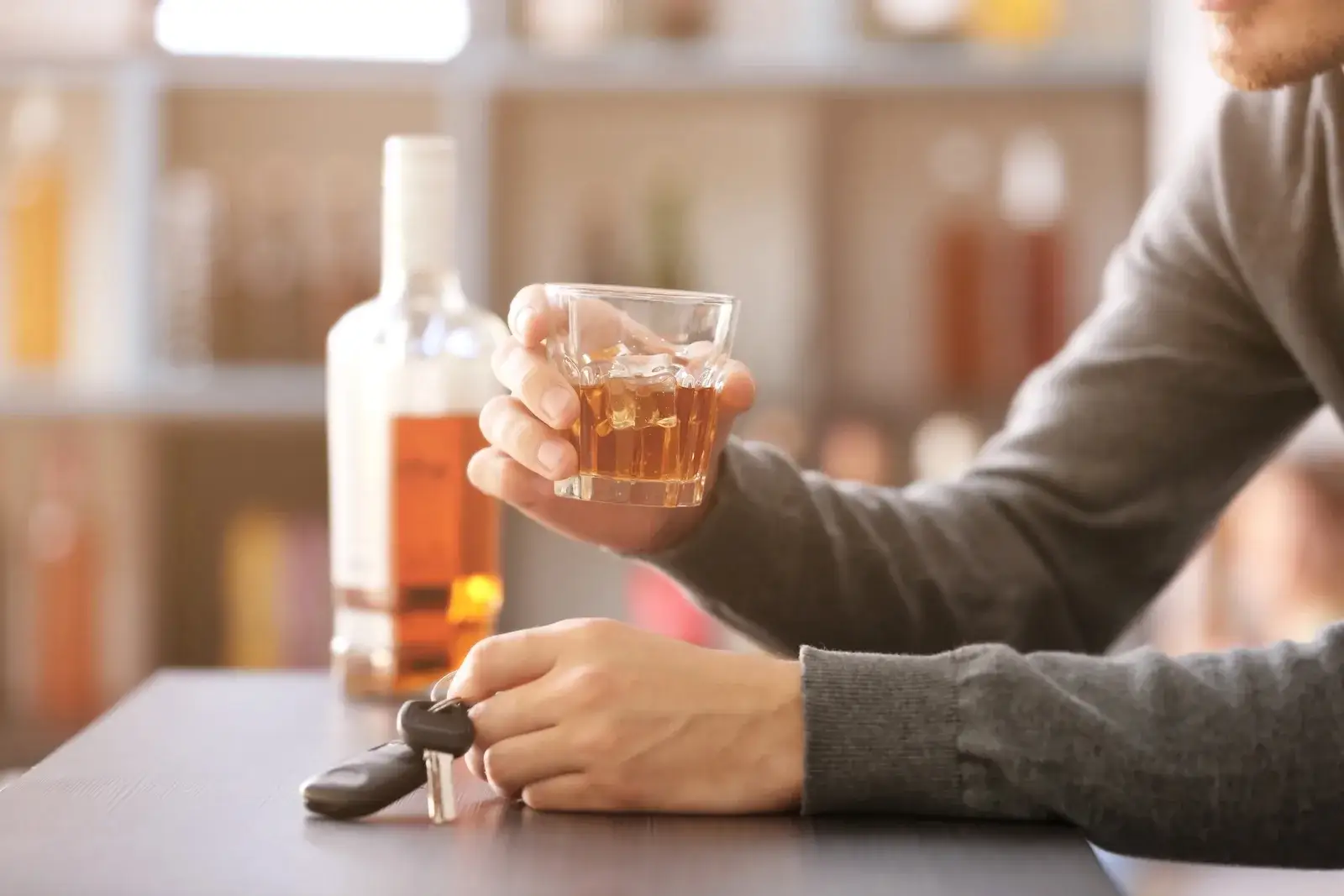
The question we hear most often is how much someone has to drink before it shows up on a hair test. Hair alcohol testing picks up both occasional and heavy drinking, but it reports a pattern over months, not a number of drinks. Unlike a breath test, which measures a single moment, it covers a long stretch of time.
How hair alcohol testing works
The test does not measure alcohol itself. It looks for ethyl glucuronide (EtG), a biomarker the body forms whenever alcohol is consumed.
EtG is incorporated into the hair shaft as the hair grows. Head hair grows at roughly 1 cm per month, so a 3 cm sample reflects approximately 90 days of alcohol use, which is why the test suits legal, workplace and family law settings, where behaviour over time is the question.
What the results mean
The Society of Hair Testing publishes the interpretive guidelines used by accredited laboratories and forensic experts internationally.
| EtG in hair | Interpretation | What it means |
|---|---|---|
| Under 5 pg/mg | Abstinent or very irregular consumption | No significant alcohol use. Not inconsistent with abstinence; may reflect incidental or environmental exposure. |
| 5 – 30 pg/mg | Regular consumption | Moderate use, of the kind associated with regular social drinking. |
| Over 30 pg/mg | Chronic excessive consumption | Heavy or sustained drinking. |
Why you will not see “X drinks per day”
People understandably want the bands translated into drinks. The test cannot do it, for four reasons:
- alcohol is metabolised at different rates by different people
- the same weekly volume looks different daily than it does in weekend sessions
- hair type, colour and cosmetic treatment can influence measured EtG
- environmental exposure can produce very low-level positives
So an EtG result is reported as a pattern of use, and any report that puts a precise drink count on it is claiming more than the science supports.
The bottom line
- Even light or occasional drinking can register above 5 pg/mg.
- Between 5 and 30 pg/mg is consistent with regular social drinking.
- Above 30 pg/mg is widely treated as evidence of chronic excessive use.
- A result that will be used in a legal or employment matter should be interpreted by a forensic toxicologist, not read off a table alone.
It is also possible to return a positive EtG without drinking, which is worth understanding before a result is put to you. Reading a hair alcohol result takes each of the three bands in turn, and sets out what a concentration cannot settle on its own.
Need your alcohol result interpreted?
Our forensic toxicologist can review the report and give an independent opinion. Request a consultation or written report, or book a hair alcohol test if you need the result itself.