
Hair Follicle Drug Testing vs Urine Drug Testing
Urine tells you about the last few days; hair tells you about the last few months. Detection window, tampering risk, cost and legal weight, side by side.
Last updated
Hair and urine are the two methods most people are choosing between, and they answer different questions. Urine tells you about the last few days. Hair tells you about the last few months. Neither is a better test in the abstract, the right one depends on what has to be proved.
What hair follicle testing is
Despite the name, the test does not analyse the follicle. It analyses the strand that has grown above the scalp, usually the first 3–4 cm, giving a retrospective view of 90 days or more depending on length.
- a small sample is collected, around 100–120 strands
- it is washed, then analysed by GC-MS or LC-MS/MS
- the result reports drug metabolites embedded in the shaft
It is used where a pattern matters: court-admissible testing, child custody and protection, long-term monitoring in rehabilitation or on probation, and workplace safety programs.
What urine testing is
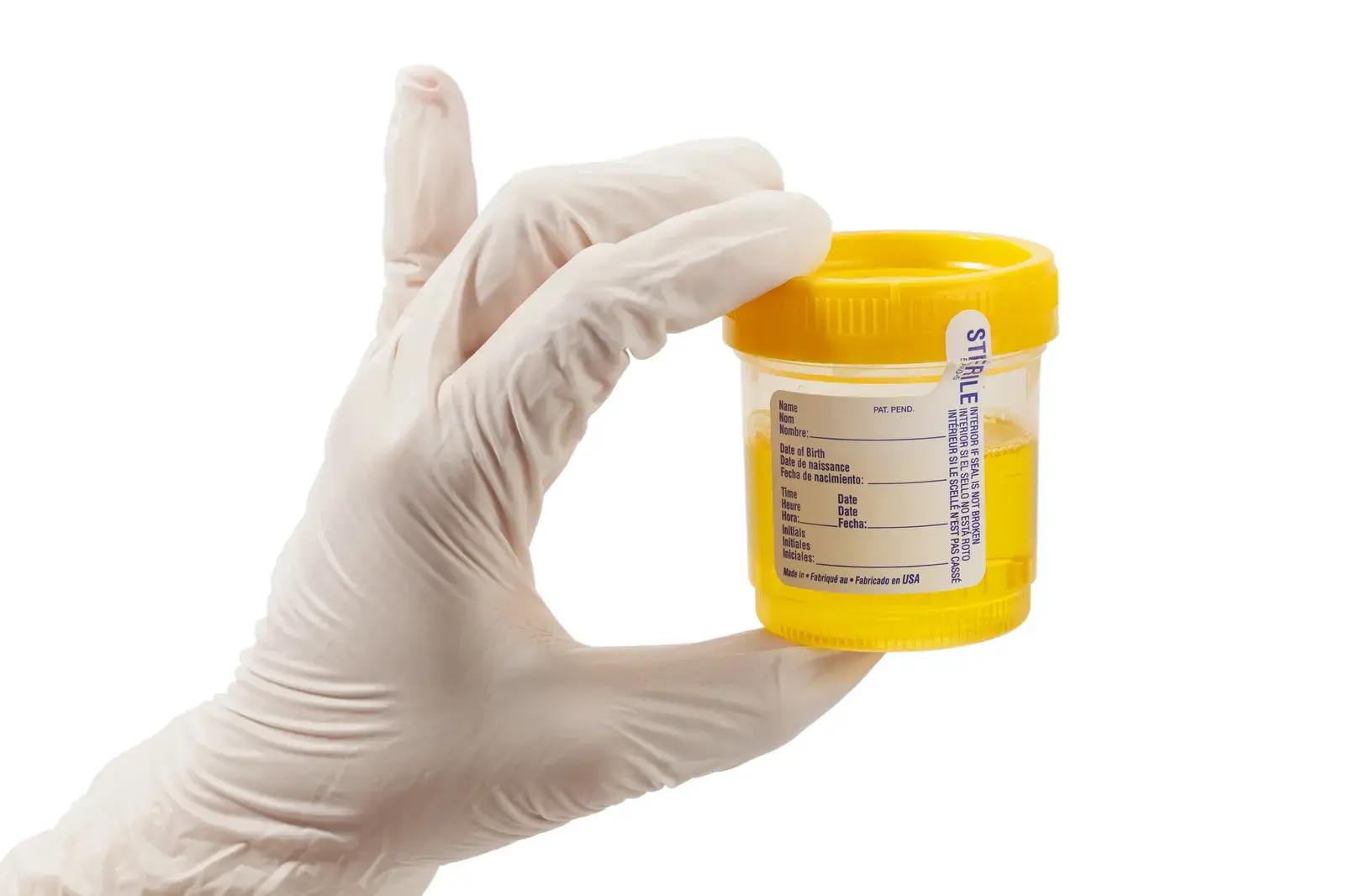
Urine testing is the most widely used method for detecting recent use. It is fast and inexpensive, which is why it dominates pre-employment checks, random workplace testing and clinical assessment.
- a sample is collected under supervision
- it is analysed for parent drugs or their metabolites
- the detection window is usually 1–7 days, depending on the substance
Side by side
| Hair testing | Urine testing | |
|---|---|---|
| Detection window | From about 2 weeks after use, the time hair needs to grow above the scalp, and back as far as 12 months | Days to a few weeks, depending on the drug |
| What it shows | A pattern of use over months | Recent use or intoxication |
| Accuracy | Very high, by mass spectrometry | Reliable on laboratory confirmation; presumptive on a screen alone |
| Evasion risk | Low, very difficult to alter | Higher, dilution and substitution are known problems |
| Legal acceptance | Often preferred for defensibility | May be questioned on window or false positives |
| Cost | Higher per test, but covers months in one go | Cheaper per test, often repeated |
Why the detection window decides it
Urine testing detects drugs used in the last few days, which is what you want for intoxication or an immediate safety concern.
Hair testing shows use over weeks and months, and is not the tool for catching one-off or very recent use. That is precisely why courts favour it where sustained use or sustained abstinence is the point.
Can one-time use fail a hair test?
It is unlikely. Hair testing is designed to detect repeated use, and a single exposure will usually not clear the reporting cut-off. That is a feature rather than a gap: it is what lets the method separate incidental contact from habitual use.
Which one to choose
- Urine, if you need to know about recent use or intoxication.
- Hair, if you need to establish a pattern over time, or if a court has ordered it.
If you are in legal proceedings, hair testing may well be required. Our comparison of all the testing methods sets out where blood, saliva and breath fit alongside these two.
Whichever you use, the result is only as good as the accreditation behind it and the chain of custody that documents it. Ours is a court-ready hair follicle drug test, 95 substances in one run. Book a time or see what it costs.