Will Prescribed Medicinal Cannabis Show Up on a Drug Test?
Yes. If your prescription contains THC, a drug test detects it, a script changes the explanation, not the chemistry. What that means for court and work.
Last updated
This is one of the most common questions we are asked, and the answer is short: yes. If your prescribed product contains delta-9-tetrahydrocannabinol, THC, then a drug test will detect THC.
It is worth understanding exactly why, because the reason changes what you should do about it.
The test measures the molecule, not the paperwork
A laboratory analysing your sample is not looking up a prescription database. It is identifying chemical compounds by their mass, and reporting what is present and how much of it.
THC from a pharmacy-dispensed, TGA-approved, doctor-prescribed product is the same molecule as THC from any other source. There is no marker in a prescribed product that identifies it as prescribed, and no test that could tell the difference. A prescription is a legal fact about how you obtained the substance. It is not a chemical fact about the substance itself.
So the honest position is this: a script does not make your result negative. It explains your result.
Declare it before the sample is taken, not after
This is the single most useful thing on this page.
When you attend for collection, you complete a chain-of-custody form that asks about medications. Record your prescription there, the product name, the prescriber, and the dose. Bring the script or a letter from your prescriber if you have one.
Declaring beforehand puts your explanation on the record at the same moment the sample is sealed. Producing it afterwards, once a positive result has landed, is a weaker position through no fault of your own: it looks like an explanation constructed to fit a result rather than a fact that was always true.
The result will be the same either way. How it reads to a court, an employer or a caseworker will not be.
CBD-only products can still contain THC
CBD, cannabidiol, is a different molecule from THC, and it is not reported as THC.
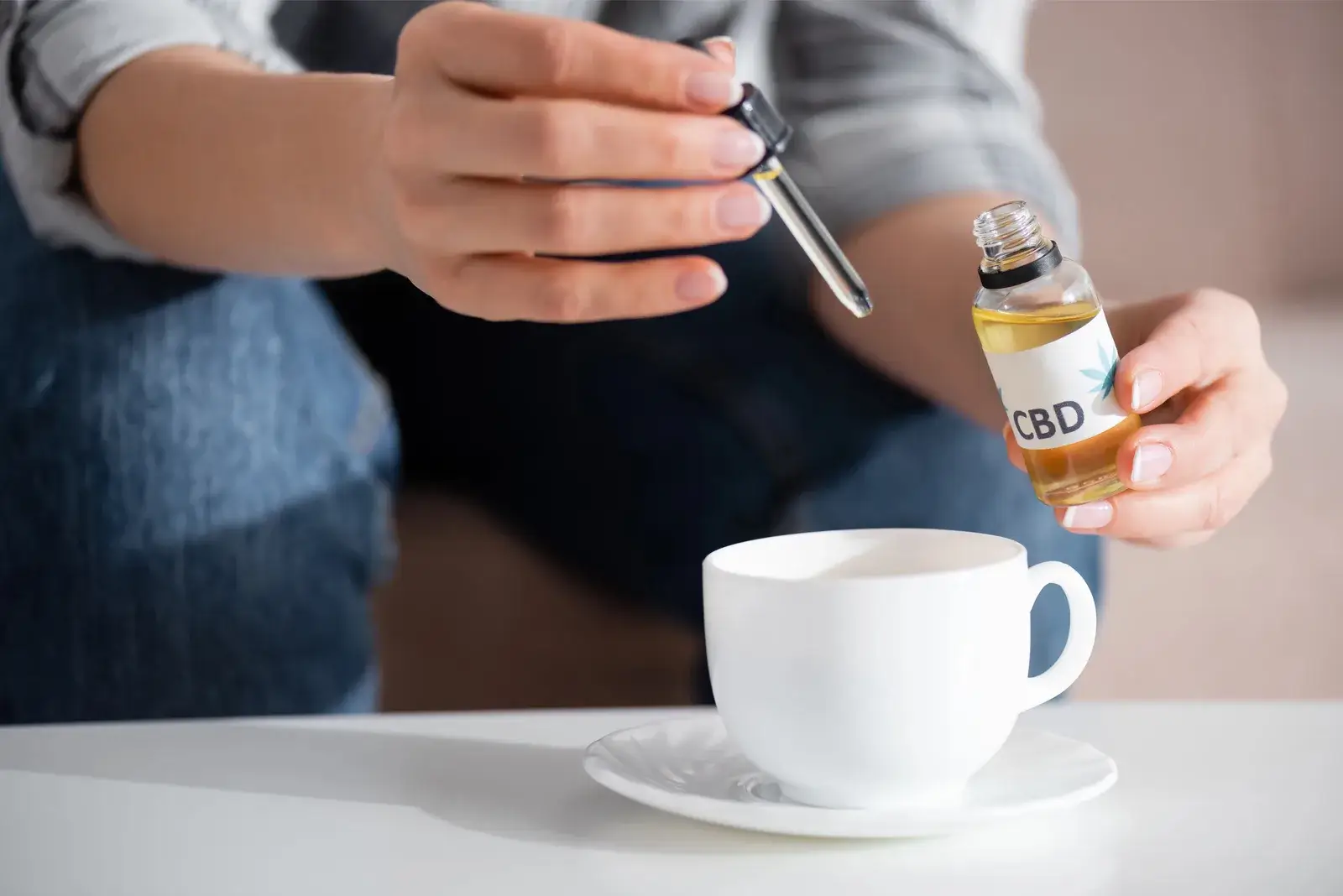
The complication is what else is in the bottle. Products sold and prescribed principally for their CBD content can also contain small quantities of other cannabinoids, and depending on the formulation that may include THC. Australian regulation sets limits on this, but “very little THC” is not the same as “no THC”, and a sensitive laboratory method is designed precisely to find very little of something.
If a clean THC result matters to you, for a workplace policy, a court matter or a licence condition. Ask your prescriber or pharmacist for the product’s cannabinoid breakdown in writing before you start it. That document is worth more later than any argument you can make from memory.
Driving is a separate question, and a more serious one
A drug test result and a road offence are two different things, and it is important not to reason from one to the other.
Australian road law generally treats the presence of THC while driving as an offence in its own right, separate from impairment, and separate from how the THC came to be there. A prescription has not historically operated as a defence in the way many patients assume. This area has been under active review, and the detail differs between states.
Because that is a legal position rather than a laboratory one, and because it changes, do not take it from us. The Victorian government publishes the current position:
Medicinal cannabis and driving, Victorian Department of Transport and Planning
If you are prescribed medicinal cannabis and you drive, read it. If you are outside Victoria, check the equivalent page for your state.
What this means in a family law or workplace matter
A THC positive with a genuine prescription behind it is a very different thing from an undisclosed one, but only if the connection is made properly. Two points decide how it lands.
Whether the level fits the prescription. A result is a number, not just a yes or a no. Whether the concentration detected is consistent with the dose you are prescribed, or points to use well beyond it, is a question for a forensic toxicologist reading the figures against the prescribing information. That is an assessment, not something the certificate states on its face.
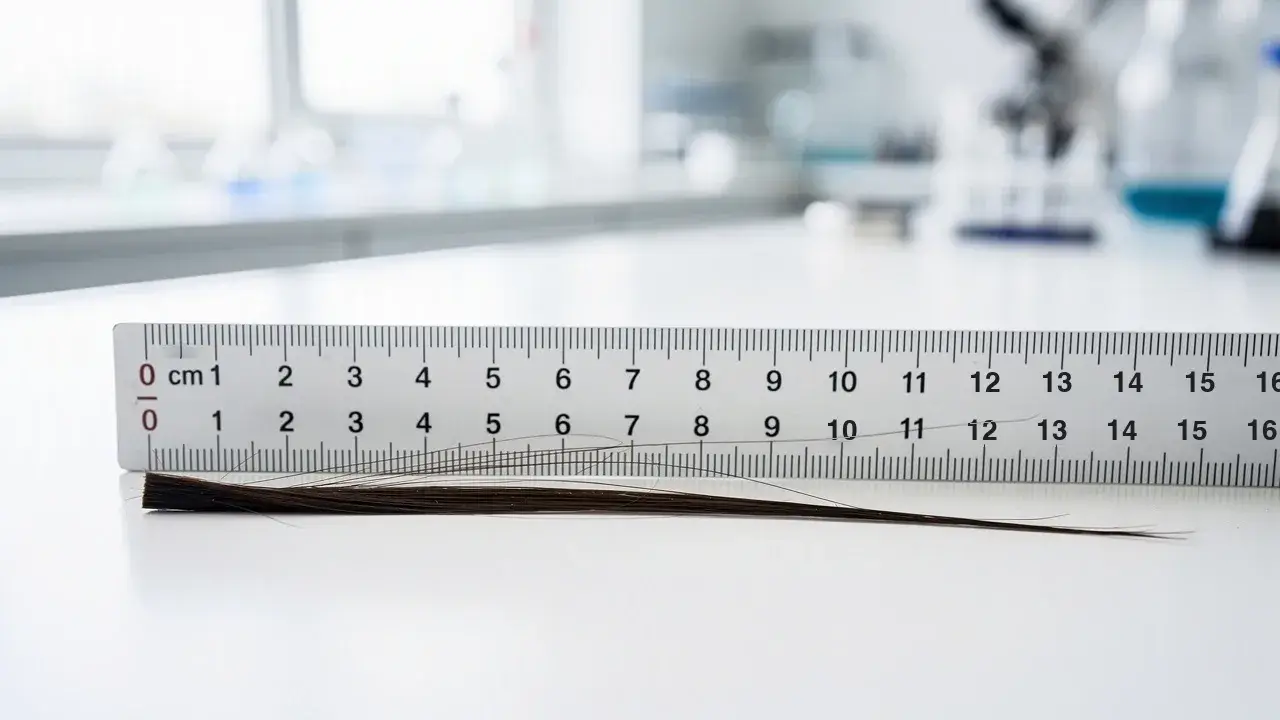
Whether the timeline fits. Hair testing gives a history rather than a snapshot, roughly three months per 3 cm of hair. Where a prescription began partway through that period, segmented analysis of the sample can show the pattern across it, which is often more informative than the overall result.
Neither of those is answered by the certificate of analysis alone. If your matter turns on the difference between compliant prescribed use and something more, that is what an independent forensic interpretation is for.
In short
- Prescribed THC shows as THC. There is no test that distinguishes it.
- A prescription explains a positive; it does not prevent one.
- Declare it on the chain-of-custody form before collection, with documentation.
- CBD-only products are not reported as THC, but check the product’s full cannabinoid content.
- Driving on medicinal cannabis is governed by road law, not by your script. Check the current rules for your state.
If you need a test that reports what is actually present, across 95 substances with no per-drug surcharges, see what we test for or book online.
Frequently asked questions
Will my prescribed medicinal cannabis show up as THC?
Yes. If the product contains delta-9-tetrahydrocannabinol (THC), a drug test will detect THC. The laboratory measures the molecule; it has no way of knowing, and no reason to care, whether that molecule arrived legally.
Does a prescription mean I will pass?
No. A prescription does not make the result negative. What it does is explain the result, which is why you should declare it on the chain-of-custody form before the sample is taken, not after the report arrives.
What about CBD-only products?
CBD is a different molecule and is not reported as THC. However, some products sold for their CBD content also contain small amounts of other cannabinoids, including THC. If a clean THC result matters to you, ask your prescriber or pharmacist for the product's cannabinoid breakdown in writing.
Can I drive on prescribed medicinal cannabis?
That is a separate question from the test result and it is governed by road law, not by your prescription. The rules differ between states and have been under active review. Check the current position with the relevant road authority before you drive, for Victoria, see the Department of Transport and Planning's medicinal cannabis and driving page.