CASA Drug and Alcohol Testing for Pilots
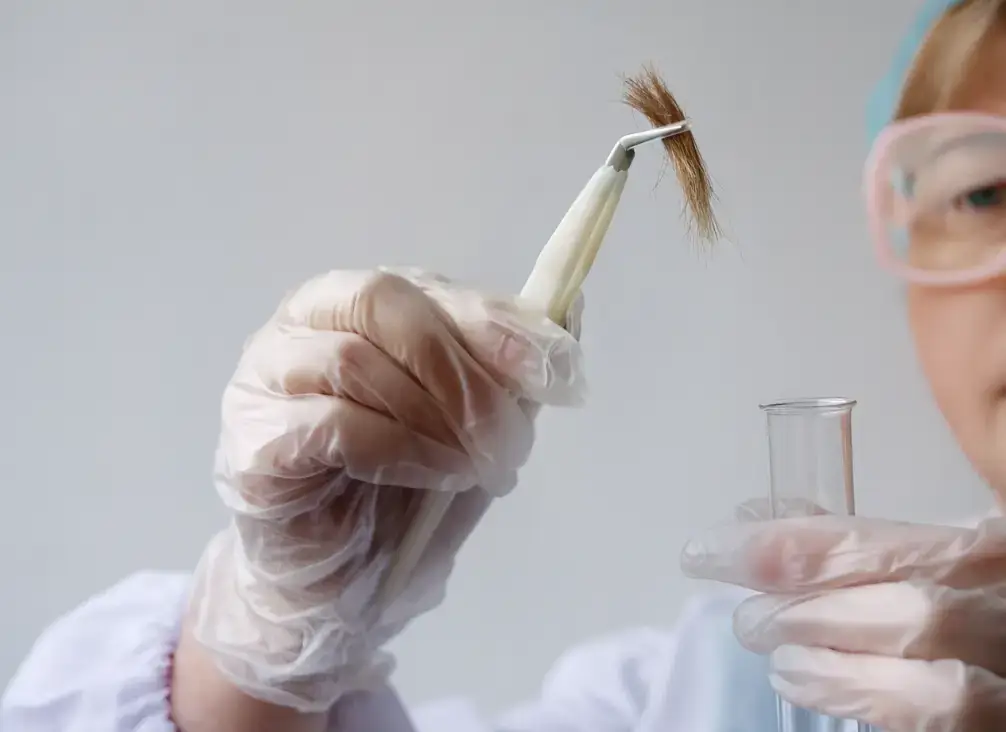
Where hair testing fits into CASA's drug and alcohol framework: what is tested, how a result affects medical certification, and when an EtG test is used.
Last updated

If you fly, or plan to, in Australia, your history with drugs and alcohol is taken seriously. The Civil Aviation Safety Authority (CASA) operates a highly regulated, safety-focused framework, and it is worth understanding what is tested, when, and where hair testing fits, because that last part is often misunderstood.
CASA’s core drug and alcohol framework
CASA’s requirements sit under Part 99 of the Civil Aviation Safety Regulations (CASR). These rules require aviation organisations to implement a Drug and Alcohol Management Plan (DAMP) for anyone performing a safety-sensitive aviation activity (SSAA), including pilots, cabin crew, engineers and certain ground personnel.
Standard testing methods
For routine compliance, pre-employment, random and post-incident testing: the approved methods are:
- Breath alcohol testing. Personnel must not exceed a blood alcohol concentration (BAC) of 0.02, measured on breath testing devices that meet Australian Standard AS3547.
- Oral fluid (saliva) drug testing. The primary drug screening method under CASR Part 99, used in both employer DAMP programs and CASA’s independent random testing.
Hair testing is not part of this regulatory testing framework.
The pilot medical certification process
To obtain or renew a pilot licence, applicants must hold a valid aviation medical certificate (Class 1, Class 2 or Basic Class 2), issued by a Designated Aviation Medical Examiner (DAME).
That process includes a health declaration requiring full disclosure of any history of drug or alcohol misuse. Failure to disclose relevant history can carry serious consequences, including regulatory action and potential offences under aviation law.
For applicants with no relevant history, hair testing is not required and usually does not form part of the standard medical certification pathway.
Where hair testing may be used
Hair testing becomes relevant in more complex medical certification cases, particularly where a pilot must demonstrate a sustained period of abstinence following:
- a positive DAMP test
- suspension or cancellation of a medical certificate
- a disclosed history of substance dependence or misuse
In these situations CASA relies on clinical assessment rather than prescribing a single testing method. A DAME, often in consultation with addiction specialists, may require evidence of sustained abstinence over time.
Hair testing may then be requested as supporting evidence. It is not mandated by CASA, but it is an internationally recognised tool that can help demonstrate longer-term patterns of substance use, alongside urine, blood or breath analysis.
Programs such as HIMS Australia, which support pilots recovering from substance dependence, may incorporate a range of monitoring approaches, and those can include hair testing.
Why hair testing can be useful
Unlike breath or saliva testing, which detect recent use, hair testing gives a retrospective view:
- head hair grows at roughly 1 cm per month, with some individual variability
- a standard sample can reflect several months of substance exposure
- for drugs, segmental analysis can show patterns over that period rather than a single point in time (alcohol results are read across at least 3 cm of hair)
That is what makes it useful for supporting evidence of sustained abstinence.
Hair testing has limits, though. It does not detect very recent use, typically the past few days, results can be influenced by hair length, hair treatment and individual variability, and interpretation should always sit in the context of other clinical information.
Book a confidential hair drug test
EtG hair testing for alcohol
For alcohol monitoring, laboratories analyse hair for Ethyl Glucuronide (EtG), a direct metabolite of alcohol that becomes incorporated into the hair shaft.
The Society of Hair Testing publishes the interpretive thresholds most widely used:
| EtG concentration | Generally interpreted as |
|---|---|
| Under 5 pg/mg | Abstinent or very irregular consumption |
| 5 – 30 pg/mg | Regular consumption |
| Over 30 pg/mg | Chronic excessive consumption |
Testing by a NATA-accredited laboratory against these cut-offs gives a DAME objective data to weigh alongside everything else. What the number actually means is a separate question from what it measures.
Not every DAME or case will call for hair testing. Urine testing suits short-window, higher-frequency monitoring; hair testing covers a longer window with less frequent sampling. Our comparison of hair and urine testing sets out the trade-off in more detail.
Book a confidential hair alcohol test
Key takeaways for pilots and applicants
- Be accurate and complete in your medical disclosures. Non-disclosure can have serious consequences.
- Routine CASA and DAMP testing relies on breath and oral fluid methods.
- Hair testing is not part of standard CASA testing and is not usually required for routine medical certification.
- It may be used as supporting clinical evidence where long-term abstinence must be demonstrated, at the judgment of a DAME and relevant specialists.
- CASA medical certification decisions rest on a holistic clinical assessment, not any single test result.
- A hair result should be read alongside history, behavioural reports and other testing methods.
Forensic toxicologist services for CASA-related cases
If you are navigating CASA medical certification after a positive DAMP test, a disclosed history of substance use, or a request for evidence of sustained abstinence, our forensic toxicologist can help you make sense of your results and strengthen the evidence you give your DAME.
Result interpretation
If you have a hair test result, an EtG reading, for instance. The toxicologist can explain what it means in clinical terms: whether the level is consistent with abstinence, occasional use or heavier consumption, against recognised interpretive thresholds. You get a clear picture of the result before you submit it as part of your medical certification case.
Second opinion or peer review
Where you already hold a result or interpretation from another laboratory or clinician, particularly a borderline or disputed one, Dr Michael Robertson can review it independently and tell you whether the original interpretation holds up.
Consultation with your DAME
Rather than relaying technical detail yourself, the toxicologist can liaise directly with your DAME and provide the supporting clinical context that informs their assessment.
Request a consultation or written report
This information is general in nature and does not replace advice from CASA or your DAME about your individual circumstances.